The Ancient Wisdom of Ayurveda: Balancing Your Doshas for Optimal Health
Posted by Dr. Anita Sharma
May 15TH, 2025
Ayurveda
Ayurveda, meaning "knowledge of life," is one of the world's oldest holistic healing systems. Developed more than 3,000 years ago in India, it's based on the belief that health and wellness depend on a delicate balance between the mind, body, and spirit. The primary focus of Ayurvedic medicine is to promote good health, rather than fight disease, though treatments may be recommended for specific health problems.
"When diet is wrong, medicine is of no use. When diet is correct, medicine is of no need." - Ayurvedic Proverb
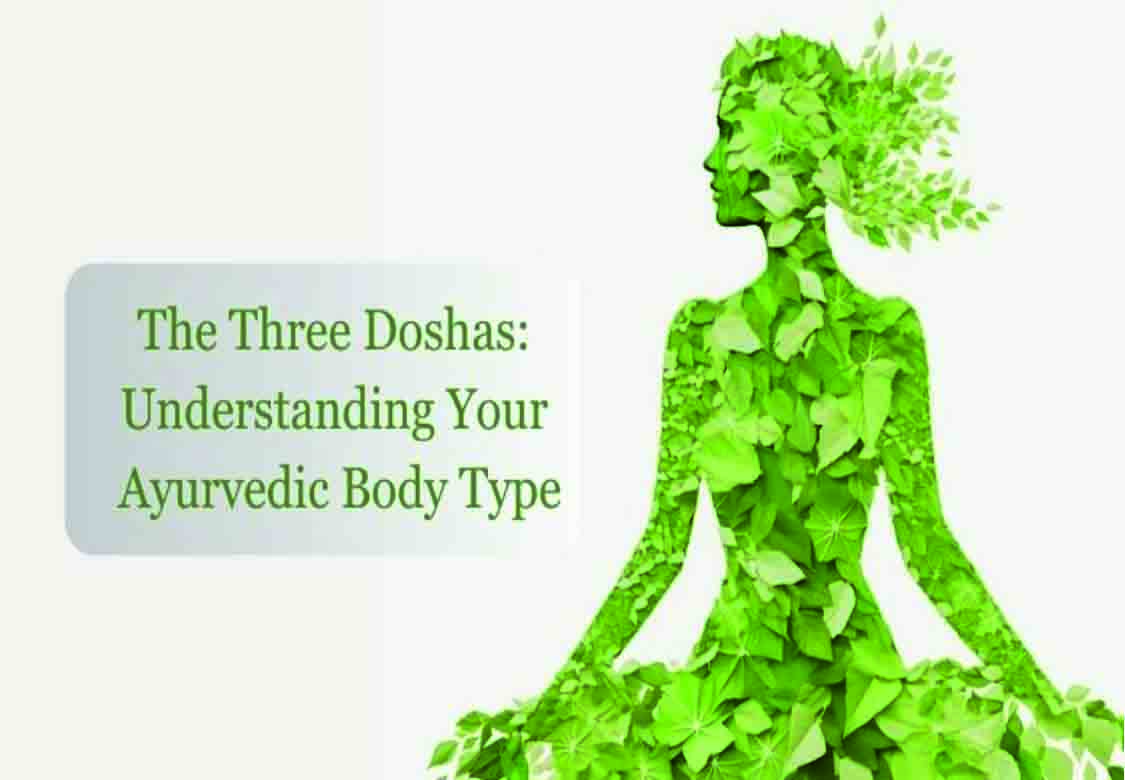
Understanding the Three Doshas: Vata, Pitta, and Kapha
According to Ayurvedic theory, every person is made of a combination of five basic elements found in the universe: space, air, fire, water, and earth. These elements combine in the human body to form three life forces or energies, called doshas. They control how your body works. The three doshas are Vata, Pitta, and Kapha.
Everyone inherits a unique mix of the three doshas, though one is usually more dominant. Each dosha controls a different body function. It's believed that your chances of getting sick or developing health issues are linked to the balance of your doshas.
Vata Dosha: This energy is associated with air and space. It controls very basic body functions, like how cells divide. It also controls your mind, breathing, blood flow, heart function, and ability to get rid of waste through your intestines. Those with vata as their dominant dosha are typically thin, energetic, and creative when in balance, but fearful, anxious, and forgetful when out of balance.
Pitta Dosha: This energy is linked to fire and water. It controls your digestion, metabolism, and appetite. If pitta is your main life force, you're likely to have a medium build, be intelligent, and be a determined person when in balance, but impatient and aggressive when out of balance.
Kapha Dosha: This energy is linked to earth and water. Kapha helps maintain strength and immunity and controls growth. It supplies water to all body parts, moisturizes the skin, and maintains the immune system. Those with kapha as their dominant dosha typically have a solid body frame and are calm and loving when in balance, but can become overweight and complacent when out of balance.











Comments (03)
Deepa Mehta
- Yoga Instructor, India || 10 minutes ago
ReplyThank you for this informative article! I've been practicing Ayurveda for years and have seen tremendous benefits with my clients. Understanding your dosha type is truly the first step towards balancing your health naturally. I would also recommend incorporating daily abhyanga (self-massage) with dosha-specific oils to enhance these benefits.
Michael Chen
- Wellness Coach, USA || 45 minutes ago
ReplyI'm new to Ayurveda but fascinated by the dosha concept. I took an online quiz that suggested I'm primarily Pitta with secondary Vata. Any recommendations for beginners looking to incorporate Ayurvedic principles into their daily routine? Are there specific herbs or practices that would be beneficial for someone with my dosha combination?
Sophia Rodriguez
- Nutritionist, Spain || 2 hours ago
ReplyExcellent overview of the doshas! As a nutritionist, I've been incorporating Ayurvedic principles into my dietary recommendations. I find that even small adjustments to eating habits based on one's dominant dosha can make significant differences in digestion and overall wellbeing. Would love to see a follow-up article specifically on Ayurvedic nutrition guidelines.