Bike Support: 012-BIKE-HELP

Bike Support: 012-BIKE-HELP
Whether you're a new rider or a seasoned motorcyclist, you probably have questions about bikes, gear, maintenance, and riding. We've compiled the most frequently asked questions from our community of riders to help you get the information you need to enjoy your two-wheeled adventures safely and confidently.
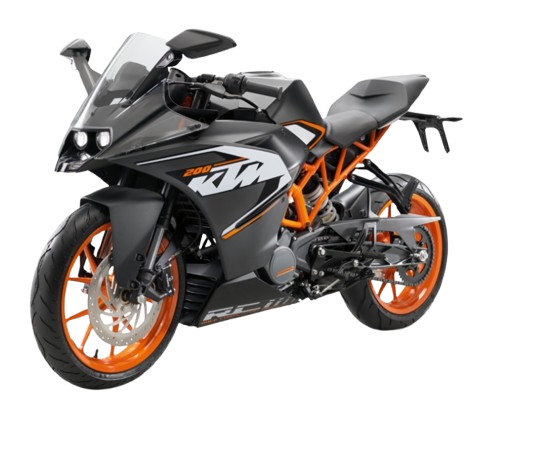
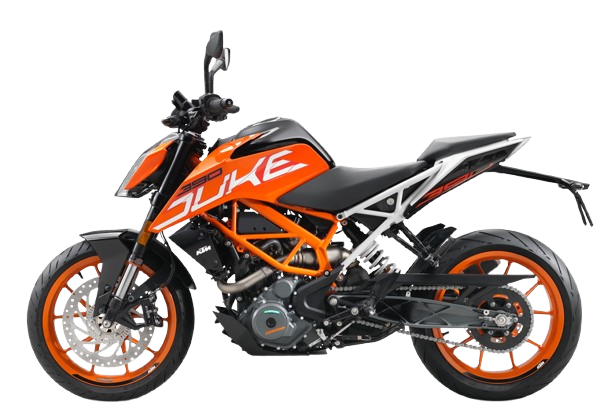
For new riders, we recommend starting with a lightweight bike (300-500cc) that has manageable power and is easy to handle. Popular beginner motorcycles include the Honda CB300R, Kawasaki Ninja 400, and Yamaha MT-03. Cruisers like the Harley-Davidson Street 500 or sport standards like the Suzuki SV650 are also good options. The key is finding a bike that fits your body size and riding style while being forgiving as you learn.
Most manufacturers recommend changing your motorcycle's oil every 3,000-5,000 miles, but this can vary based on your bike and riding conditions. Sport bikes ridden hard may need more frequent changes (every 2,000 miles), while cruisers used for casual riding might go longer. Always check your owner's manual for specific recommendations. Synthetic oils typically last longer than conventional oils. Also change the oil filter with every oil change.
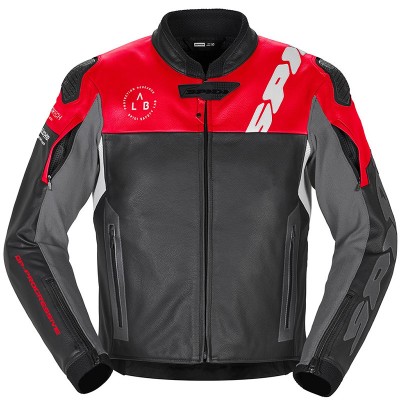
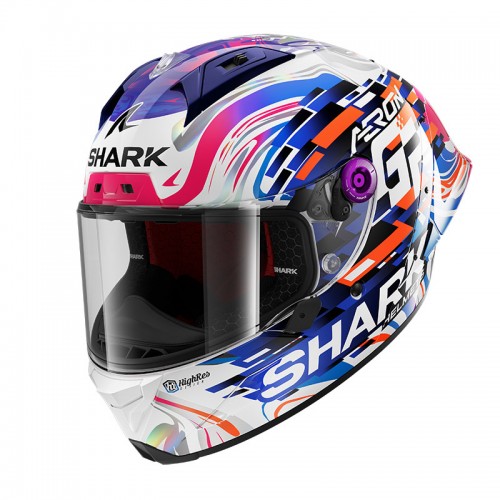
The essential safety gear every rider should have includes: 1) A DOT-approved helmet (full-face provides the most protection), 2) Motorcycle-specific jacket with armor (leather or abrasion-resistant textile), 3) Riding gloves, 4) Over-the-ankle boots, and 5) Riding pants with armor or at least durable jeans. For maximum protection, consider gear with CE-rated armor at impact zones. Remember - dress for the slide, not just the ride.
To maximize your bike's fuel efficiency: 1) Maintain proper tire pressure, 2) Keep up with regular maintenance (clean air filter, fresh spark plugs, etc.), 3) Avoid aggressive acceleration and braking, 4) Reduce wind resistance by tucking in or using a windscreen, 5) Remove unnecessary weight from the bike, 6) Use the recommended grade of fuel, and 7) Consider upgrading to more efficient tires when replacements are needed. Many riders see 10-20% better mileage with these adjustments.
Perform this T-CLOCS inspection before every ride: T-Tires (pressure, tread, damage), C-Controls (levers, pedals, cables, hoses), L-Lights (headlight, brake light, signals), O-Oil and fluids (levels, leaks), C-Chassis (frame, suspension, chain/belt), S-Stand (side and center stand operation). Also check your fuel level and ensure you have your license, registration, insurance, and emergency contact information with you.
Proper winter storage includes: 1) Wash and wax the bike, 2) Change the oil and filter, 3) Fill the gas tank and add fuel stabilizer, 4) Remove the battery and keep it on a tender, 5) Inflate tires to proper pressure and consider using stands, 6) Lubricate the chain, 7) Plug the exhaust to prevent moisture, 8) Cover the bike with a breathable cover, and 9) Store in a dry, cool place. For long storage, consider fogging the cylinders.
Follow the manufacturer's break-in recommendations exactly, but general guidelines include: 1) Vary engine speeds (avoid steady RPMs), 2) Avoid hard acceleration and high RPMs, 3) Don't lug the engine (ride in appropriate gears), 4) Allow proper warm-up time, 5) Change oil and filter after the first 500-1,000 miles, 6) Check all fasteners as vibration may loosen them, and 7) Gradually increase load and speed over the first 500-1,000 miles. Proper break-in ensures optimal engine performance and longevity.
For comfortable long-distance riding: 1) Invest in a quality seat or seat pad, 2) Add highway pegs or crash bars for leg position changes, 3) Install a windscreen to reduce wind fatigue, 4) Use ergonomic grips or grip puppies, 5) Wear earplugs to reduce wind noise, 6) Stay hydrated with a hydration pack, 7) Take regular breaks (every 90-120 minutes), 8) Wear comfortable, layered clothing, and 9) Consider cruise control or throttle assist devices if available. Building riding endurance gradually also helps.